Applications
EV Charger
Why Is EV Charging
Safety Monitoring Important?
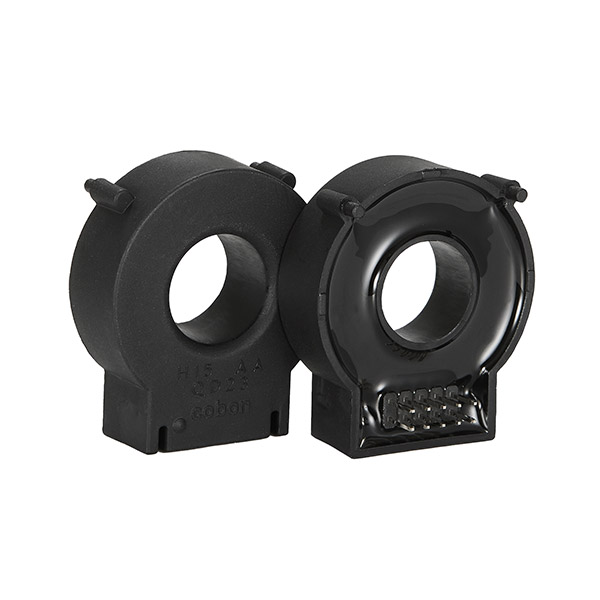
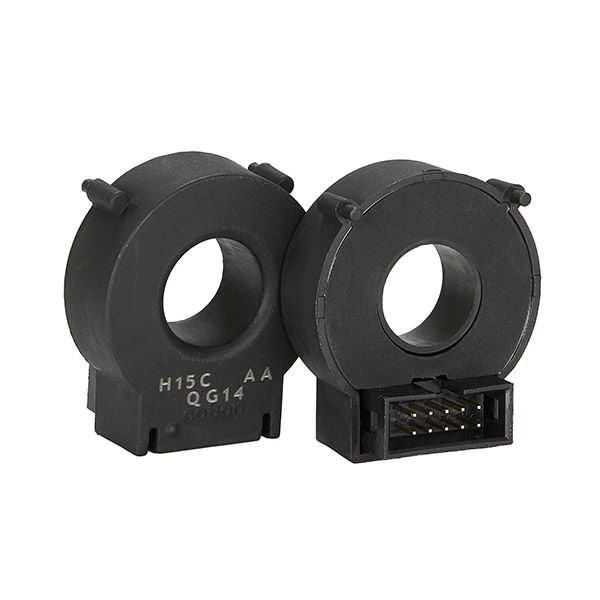
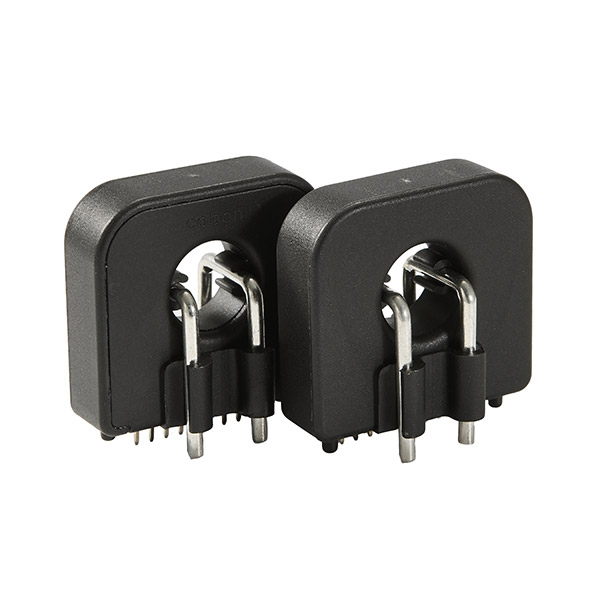
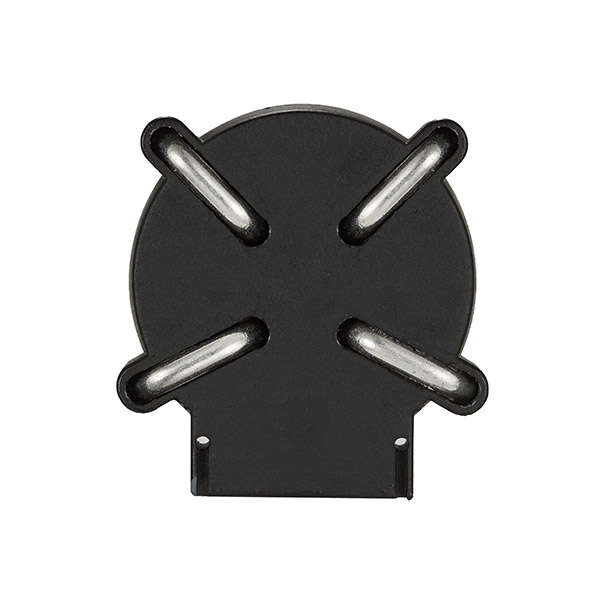
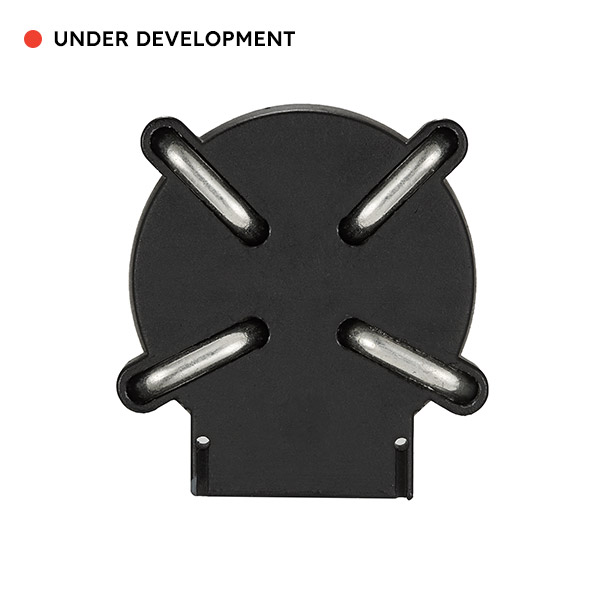
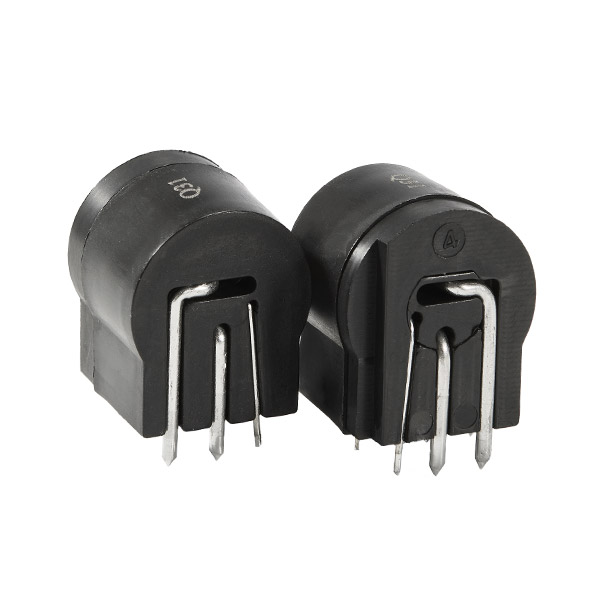
During EV charging, smooth DC leakage current may occur. If the DC leakage current reaches 6 mA or higher, a conventional Type A RCD may become saturated, causing a Blind Effect that prevents it from properly detecting AC leakage current. COBON TECH's RCM quickly detects such DC leakage current, helping ensure that the protective function of the Type A RCD is maintained properly.
EV charging systems generally meet international safety requirements in the following two ways.
By applying an RDC-DD, a Type A RCD can be used, enabling an efficient system configuration in terms of cost and installation space.
| Category | RDC-DD | RCD (RCCB / RCBO) |
|---|---|---|
| Definition | Device that detects smooth DC leakage current | Protective device that disconnects the power when leakage current occurs |
| Main Function | Detection of smooth DC leakage current of 6 mA or higher | Detects leakage current and disconnects the circuit |
| Detection Target | Smooth DC leakage current | Type A: AC and pulsating DC Type B: AC, pulsating DC, and smooth DC |
| Installation Location | Inside the EV charger | Inside the distribution board or EV charger (depending on system configuration) |
| Main Role | Prevention of the Blind Effect in Type A RCDs | Power disconnection to prevent electric shock and fire |
If leakage current occurs due to cable damage, insulation deterioration, moisture, or other causes, it is quickly detected, allowing the charging system to shut off the power and thereby reducing the risk of electric shock.
The international standards IEC 62955 (Mode 3 Wallbox) and IEC 62752 (Mode 2 IC-CPD) require the detection of 6 mA smooth DC leakage current in EV charging systems. These requirements are important protection criteria for ensuring the safety of users and equipment.
[ Mode 2 vs Mode 3 ]
| Category | Mode 2 (IC-CPD) | Mode 3 (Wallbox / AC Charging Station) |
|---|---|---|
| Charging Method | Charging by connecting a portable charging cable (IC-CPD) to a standard power outlet | Charging through a dedicated AC charger (Wallbox or charging station) |
| Installation Type | Portable and movable | Fixed installation |
| Usage Location | Homes, travel destinations, and temporary charging environments | Homes, apartments, workplaces, and public charging stations |
| Convenience | Portable and available for use anytime | Convenient to use as it is permanently installed |
| Charging Performance | Generally lower charging power | Higher charging power and stable charging support |
| Applicable Standard | IEC 62752 | IEC 62955 |

1. The Company collects the following personal information to provide customer support and various services.
2. The following information may be automatically generated and collected during the use or processing of services.
The Company collects personal information through the following methods.
The Company uses the collected personal information (including updated information) for the following purposes.
In principle, users' personal information will be destroyed without delay once the purpose of its collection and use has been fulfilled. However, certain information may be retained for the periods specified below when required by applicable laws and regulations. Where retention is required under applicable laws and regulations, including the Commercial Act and the Act on the Consumer Protection in Electronic Commerce, etc., the Company retains such information for the period prescribed by law. In such cases, the retained information will be used only for the purpose of retention, and the retention periods are as follows.
In principle, the Company destroys personal information without delay once the purpose of its collection and use has been fulfilled. The procedures and methods are as follows.
| Destruction Procedure |
|
| Destruction Method |
|
| Duty to Notify |
|
1. The Company collects the following personal information to provide customer support and various services.
2. The following information may be automatically generated and collected during the use or processing of services.
The Company collects personal information through the following methods.
The Company uses the collected personal information (including updated information) for the following purposes.
In principle, users' personal information will be destroyed without delay once the purpose of its collection and use has been fulfilled. However, certain information may be retained for the periods specified below when required by applicable laws and regulations. Where retention is required under applicable laws and regulations, including the Commercial Act and the Act on the Consumer Protection in Electronic Commerce, etc., the Company retains such information for the period prescribed by law. In such cases, the retained information will be used only for the purpose of retention, and the retention periods are as follows.
In principle, the Company destroys personal information without delay once the purpose of its collection and use has been fulfilled. The procedures and methods are as follows.
| Destruction Procedure |
|
| Destruction Method |
|
| Duty to Notify |
|